Trezor Login: A Complete Guide to Securely Access Your Cryptocurrency
In the world of cryptocurrency, controlling your funds securely is just as important as owning them. Hardware wallets, like Trezor, have become a gold standard for safely storing digital assets. Unlike online wallets or exchange accounts, Trezor keeps your private keys offline, protecting them from hacks, malware, and phishing attempts.
However, the security of your funds depends heavily on how you log in and interact with your Trezor device. This guide provides a step-by-step walkthrough of Trezor login, covering setup, best practices, troubleshooting, and advanced features to ensure your crypto remains safe.
1. What is Trezor Login?
Trezor login is the process of accessing your cryptocurrency wallet on a Trezor hardware device. Unlike standard online logins, Trezor combines physical device verification, a PIN, and a recovery phrase to protect your funds.
Here’s what makes it different:
Physical confirmation: All transactions require approval on the Trezor device itself.
PIN code: A personal code that prevents unauthorized access.
Recovery phrase: A 12, 18, or 24-word phrase used to restore your wallet if the device is lost or stolen.
This multi-layered approach ensures that your private keys never leave the device, making it extremely difficult for attackers to access your funds.
2. Why Secure Trezor Login is Crucial
Your wallet’s private keys are like a digital vault key. If someone gains access to your PIN or recovery phrase, they can take all your cryptocurrency instantly. Risks include:
Phishing attacks: Fraudulent websites or emails designed to steal credentials.
Malware or keyloggers: Software that can capture PINs or passwords.
Loss of recovery phrase: Without it, wallet recovery is impossible.
Secure Trezor login ensures your keys remain offline and protected, giving you complete control over your assets.
3. Preparing to Log In
Before logging in, make sure you have:
A genuine Trezor device (Model T or Trezor One)
Trezor Suite installed on your computer or access to a supported web wallet
Your PIN code
Your recovery phrase safely stored offline
A private, malware-free environment for secure login
Pro Tip: Only use official sources:
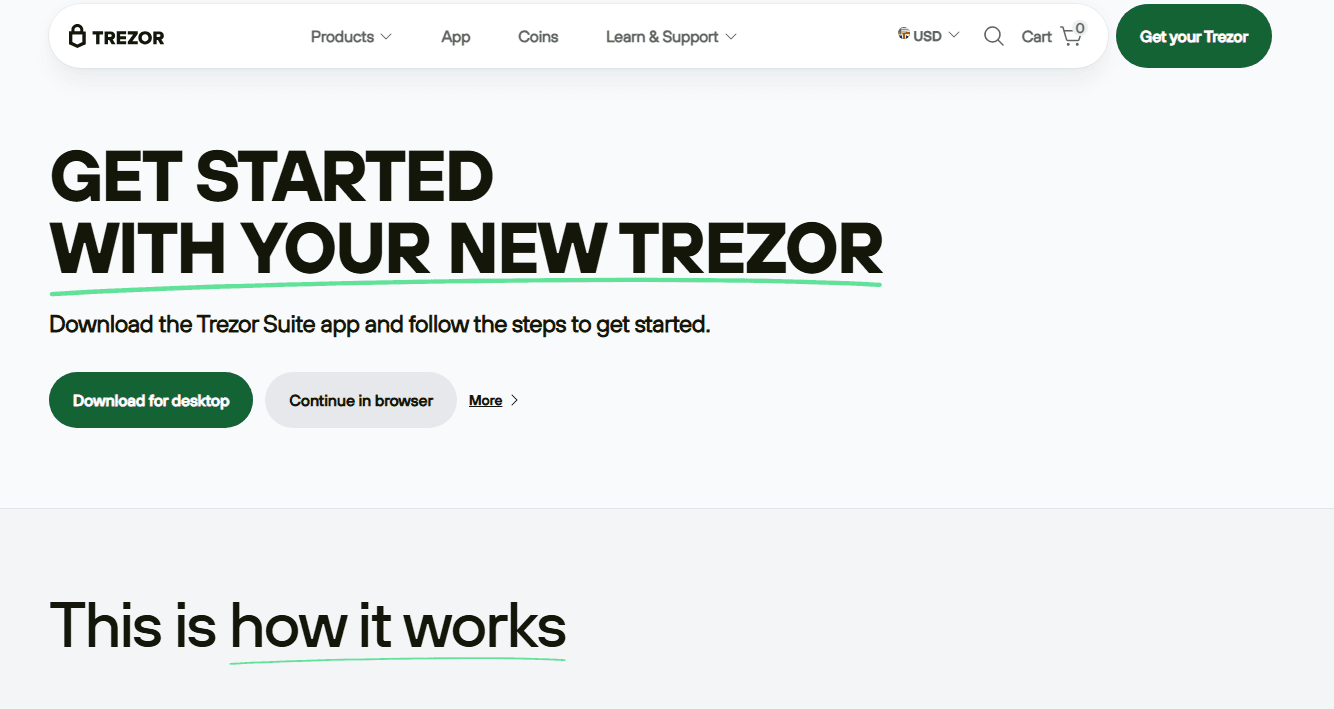
https://trezor.io/start
Avoid links from emails, social media, or third-party sites to prevent phishing attempts.
4. How to Log In to Your Trezor Wallet
Step 1: Connect Your Device
Plug your Trezor into your computer or smartphone using the supplied USB cable. Model T users may need a USB-C connection.
Step 2: Launch Trezor Suite or Web Wallet
Open Trezor Suite or access a supported web wallet via the official Trezor website.
Ensure the URL starts with https://trezor.io
Look for the padlock icon to verify a secure connection
Step 3: Enter Your PIN
Enter your PIN directly on the device.
Trezor Model T randomizes the touchscreen to protect against keylogging.
Step 4: Unlock Your Wallet
After entering the correct PIN, your wallet unlocks, displaying accounts, balances, and recent transactions.
Step 5: Verify Device Authenticity
Trezor performs a genuine check during login:
Confirms the device is official
Checks firmware integrity
Prevents the use of counterfeit hardware
Step 6: Manage Your Crypto
Once logged in, you can:
Send and receive cryptocurrency
Track portfolio balances in real-time
Swap supported tokens
Safely connect to decentralized finance (DeFi) platforms
Every transaction requires physical confirmation on your device, ensuring maximum security.
5. Setting Up Your Trezor Wallet for Login
Before logging in for the first time, your Trezor must be initialized.
Step 1: Initialize the Device
Power on the Trezor
Select “Set up as new device”
Choose a secure PIN
Step 2: Generate a Recovery Phrase
Trezor provides a 12, 18, or 24-word phrase
Write it down exactly and store it offline
Step 3: Confirm Your Recovery Phrase
Verify selected words on the device to ensure the backup is accurate
Step 4: Install Trezor Suite
Download Trezor Suite from the official website
Connect your device and verify firmware
Add cryptocurrency accounts to manage your assets
After setup, Trezor login becomes fast and secure.
6. Security Best Practices for Trezor Login
Only use official apps and websites
Keep your PIN and recovery phrase private
Store your recovery phrase offline, preferably in multiple secure locations
Always verify addresses and amounts on the device before confirming transactions
Keep your firmware and Trezor Suite updated
Consider a metal backup for your recovery phrase to protect against fire or water damage
7. Troubleshooting Trezor Login Issues
Device Not Recognized:
Try a different USB port or cable
Ensure Trezor Suite is updated
Forgot PIN:
Recover your wallet using your recovery phrase
Avoid repeated incorrect attempts; too many will wipe the device
Recovery Phrase Problems:
Double-check spelling and word order
Only use official devices or apps for recovery
Firmware Issues:
Update through Trezor Suite
Do not interrupt the process during updates
For persistent issues, contact Trezor Support through official channels only.
8. Advanced Trezor Features
Multi-Currency Support: Store Bitcoin, Ethereum, Litecoin, and hundreds of other cryptocurrencies.
DeFi & Web3 Integration: Connect securely to decentralized applications.
Passphrase Protection: Adds an extra security layer beyond the recovery phrase.
Portfolio and Transaction Monitoring: Track balances, transaction history, and account activity.
Trezor is more than a wallet; it is a complete crypto management platform.
9. Why Proper Trezor Login Matters
Secure login is your first defense against loss or theft:
Keeps private keys offline
Requires physical transaction verification
Protects against phishing, malware, and hacking
Skipping proper login steps can put your crypto at serious risk.
10. Long-Term Security Recommendations
Regularly review wallet activity and balances
Keep firmware and Trezor Suite up to date
Store recovery phrases securely in multiple locations
Enable passphrase protection for extra security
Avoid sharing sensitive information online
By following these guidelines, your Trezor wallet becomes highly resistant to theft and accidental loss.
11. Conclusion
Trezor login is a critical step in protecting your cryptocurrency. By following this guide, you can:
Access your wallet safely using your PIN and recovery phrase
Protect your funds from phishing, malware, and unauthorized access
Manage multiple cryptocurrencies and DeFi applications securely
Trezor, combined with Trezor Suite, provides a secure, user-friendly, and robust platform for self-custody of your crypto assets. Proper login procedures ensure peace of mind and complete control over your digital funds.